The newest episode of We Call It Imagineering dropped today at 1 p.m., and it’s about parkitecture, the design language behind how Walt Disney World’s buildings, pathways, and sightlines pull you through a park without you ever noticing you’re being led. Here’s what stuck with me.
There has always been something about walking a Walt Disney World park that makes me want to understand how it works. Why do I always enter the Magic Kingdom under the railroad tracks, go around Town Square, and turn the corner onto Main Street at the Confectionery just to watch Cinderella Castle reveal itself? Every single time, it feels like I’m being pulled toward the Castle. Every single time there is an emotional connection! This episode is the first time I’ve heard Imagineering explain that pull out loud.
The episode covers a lot of ground. Bruce Vaughn and Audrey Aronoff break down what parkitecture actually means and why the berm around every park exists in the first place. Imagineers walk through the balloon testing behind Piston Peak and Villains Land, and how differently sized lands are being designed to work together rather than sit next to each other. We also get a look at Monstropolis, Tropical Americas, and the tech Imagineers now use to preview a space before it’s built, plus the personal stories behind why these Imagineers do this work.

What Parkitecture Actually Means – Bruce Vaughn, head of Walt Disney Imagineering, opens the episode with a line that sets up everything that follows: “Our parks aren’t just places we visit. They’re places we remember.” His point is that long before a guest steps onto an attraction, the shapes, scale, color, and materials of a building are already telling a story. The way a building reveals itself as you walk toward it is doing the same thing. Most guests will never consciously notice any of it, but Imagineering is building it so you feel it anyway. That’s parkitecture.
The Berm and the Walk to the Castle – Audrey Aronoff, a Principal Architect at Walt Disney Imagineering, might have the best line in the whole episode, and it doubles as a summary of what WDI is trying to do for everyone who visits: “Our whole purpose is to bring joy.” She starts with the first thing every guest experiences and rarely notices, the berm surrounding the park. It’s technically just a mound of dirt, best known to most guests as the path the railroad runs along, but its job is to block sound and sightlines from the outside world and keep you inside a cocoon once you’re in.
Aronoff then explains the exact pull I’ve felt every time I walk down Main Street. It starts at the entrance, with the attraction posters lining the walkway under the railroad station building. The shops and storefronts are lined up to draw your eye forward, all pointing toward one focal point at the end of the street. The Castle isn’t just sitting there. Everything around you on the way there is built to aim you at it.
Testing Piston Peak With a Balloon – One of the more interesting details in the episode is something I’d never paid attention to before: balloon testing. When the parks are closed to guests, Imagineering flies a large balloon at the exact height a new structure will eventually reach. In this case, that meant testing the peak height for Piston Peak in Magic Kingdom’s Frontierland.

What we learned is how massive the new mountain is actually going to be. Imagineers had to lower part of it after the balloon test showed it could be seen from too far away, which broke the sightlines they wanted to protect. New additions like this have to fit into what’s already standing at Magic Kingdom, so the test isn’t just about the new land. It’s about how that new land looks from Big Thunder Mountain, from Tiana’s Bayou Adventure, and from everywhere in between. We saw the physical model for Piston Peak in person at D23: The Ultimate Disney Fan Event, and this corner of Frontierland will be something else once guests can finally walk into it. The episode also gives a glimpse at the balloon test for Villains Land. If the height shown in that footage is really the top of the structure, this land will be bigger than most of us have been picturing.

Lands Built to Work Together – What comes through more than anything else is how Imagineering is planning each land to connect with what’s already there and what’s coming next. Haunted Mansion, Villains Land, and Piston Peak are all being designed to work off each other rather than as separate projects that happen to sit near one another. The episode gives close-up looks at Tropical Americas, Monstropolis, and Piston Peak National Park, and the throughline across all three is the same. Nothing is being built in isolation.
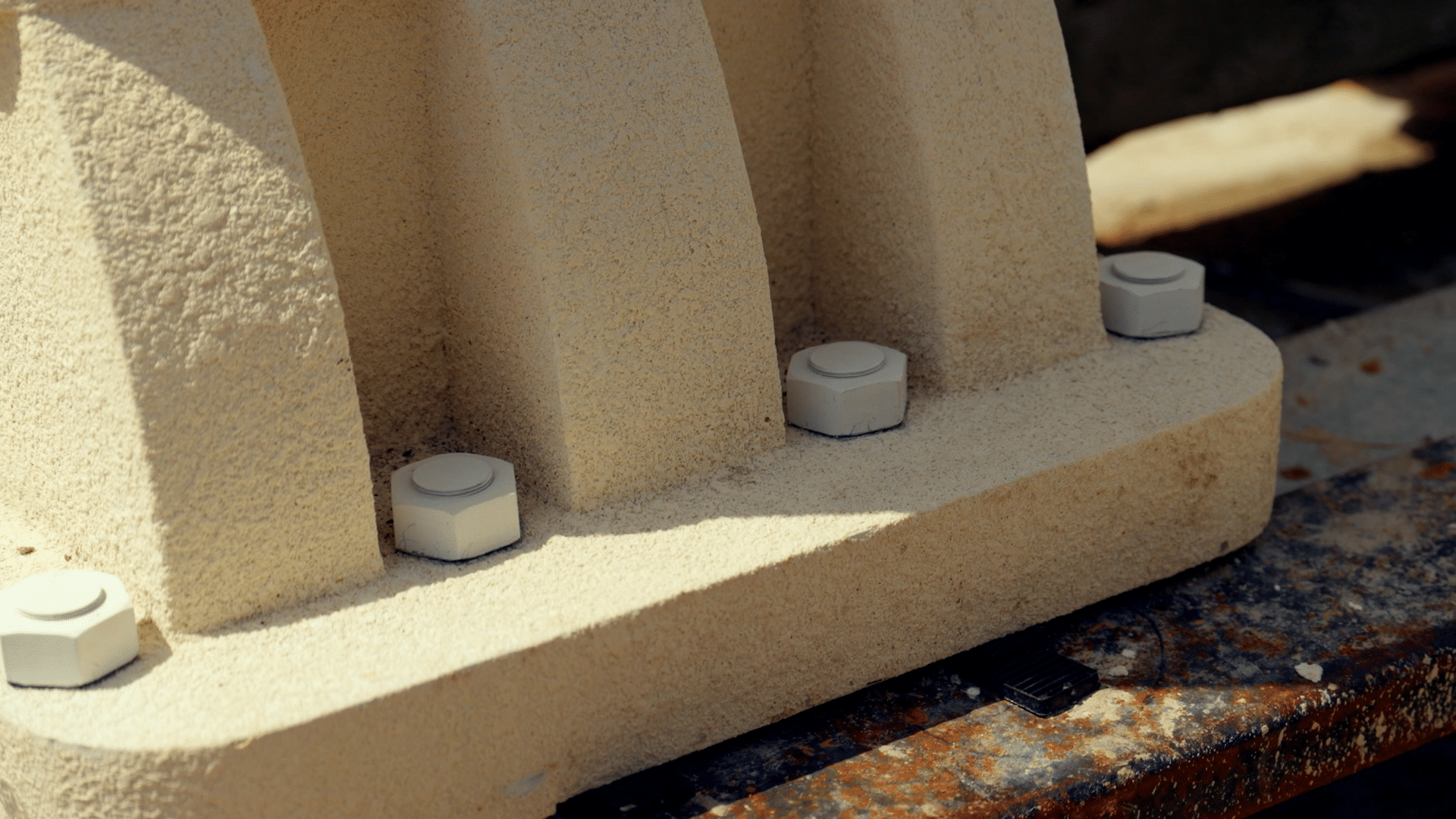
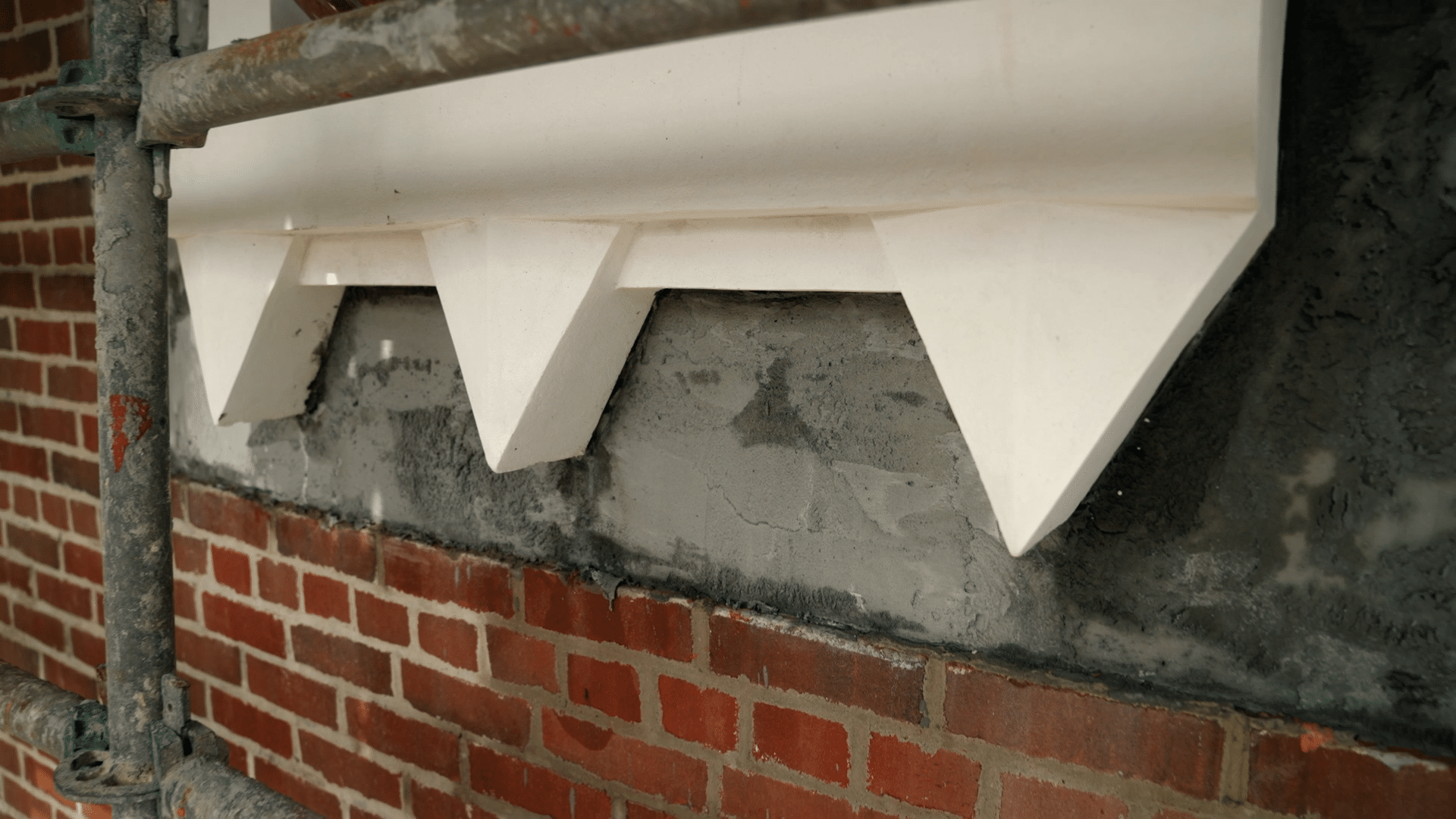
The episode covers a lot of ground beyond parkitecture itself. Jen Serna, Senior Creative Director, and Scott Mallwitz, Executive Creative Director, walk through Monstropolis and how they’re translating a world built for monsters into something scaled for human guests, from oversized bolts and buildings down to how Harryhausen’s will actually look when you walk up to it.
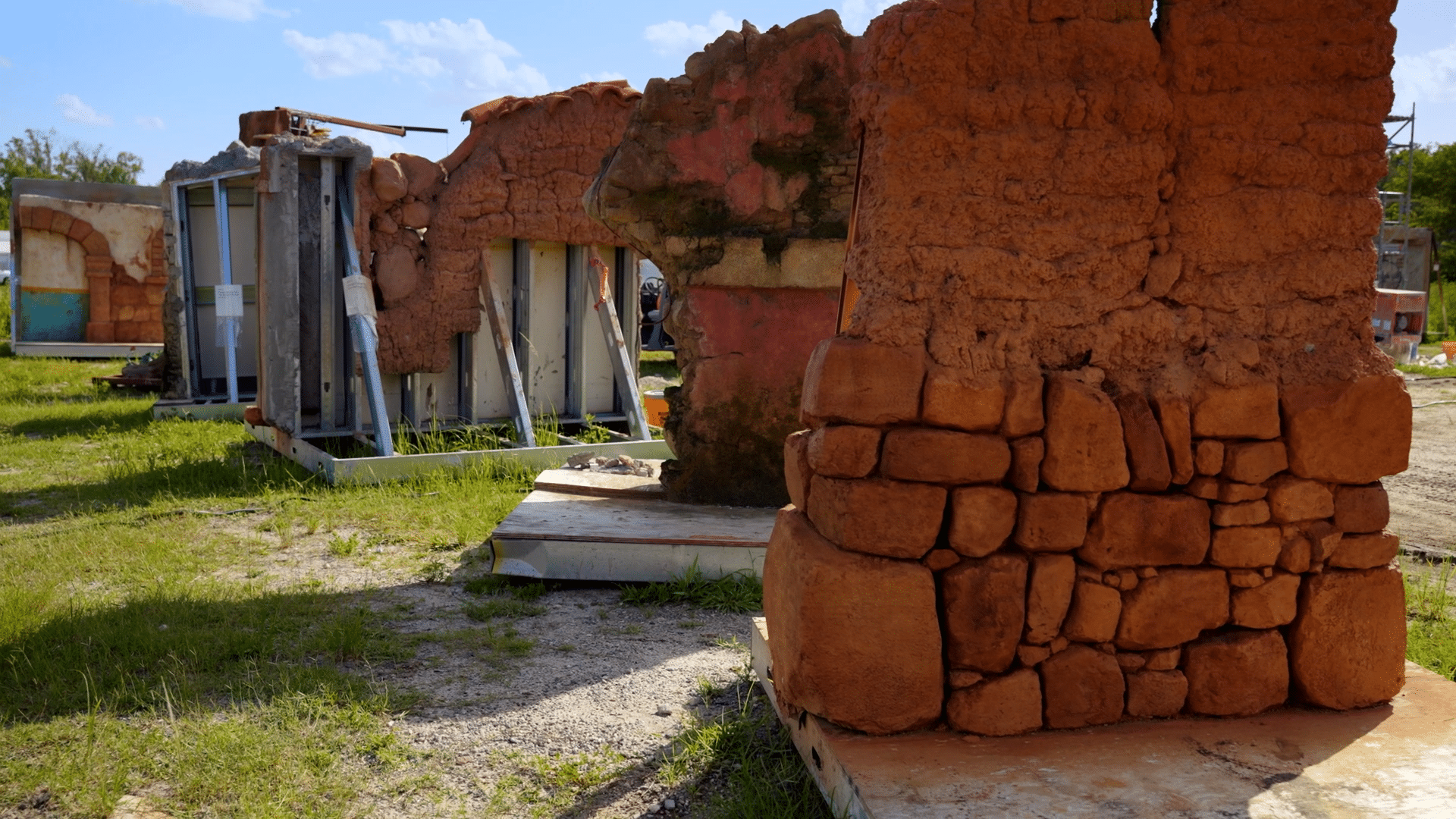
At Tropical Americas, the standout detail is a set of test structures Imagineering has had sitting backstage for over a year, just to see how well the paint and building materials hold up against Florida sun, heat, and rain before any of it goes on the real building. The team behind Tropical Americas took research trips to the parts of Central and South America the land is drawing from, studying real buildings, real wear patterns, and the way materials age in a tropical climate before ever sketching Pueblo Esperanza. Recreating that look with any accuracy takes real attention to detail, matching stucco textures, weathered paint, and roof lines that read as authentic rather than new. The hard part is making all of that hold up for decades in Florida’s own heat and humidity, which is exactly why those backstage test walls have been sitting out in the weather for over a year before a single piece goes on the actual buildings.
Disney’s Lakeshore Lodge got its opening date confirmed yesterday, and this episode adds another layer, showing off the augmented and mixed reality tools Imagineers now use to preview how a finished space will actually look. They’re no longer limited to a desk or a dedicated review room. They can pull this tech up on-site while construction is still underway.
Alex Grayman, Creative Director at Walt Disney Imagineering, walks through what it took to transform the new Animation Courtyard at Hollywood Studios, layering in small details and character moments alongside the parkitecture itself to tell one connected story rather than a series of separate rooms.

There’s also new detail on Casita, the new Encanto attraction. Guests will get as close as 40 feet to the building, and the episode explains how Imagineering plays with scale and forced perspective to make that distance feel bigger. “Forced perspective is the trick of shrinking a building’s upper sections as they go up, so the brick sizes, window sizes, and architectural details all get smaller the higher you look, tricking your eye into reading the structure as taller and farther away than it actually is.”
The People Behind the Blueprints – Past the construction details, what stayed with me most was hearing why each of these Imagineers wanted this job in the first place. Chelsea Whikehart, a Senior Producer at Walt Disney Imagineering, talks about growing up watching History Channel and National Geographic documentaries in the late ’90s and early 2000s about how Disney’s Animal Kingdom came together, and listening to Joe Rohde talk about building Expedition Everest. That’s what put her on this path. I felt that one personally. Those same documentaries are a big part of why I care this much about how WDI works in the first place. Girl, we hear you.
Imagineers may be the people building worlds real enough to walk into, but every one of them has a reason for being there. Hearing those reasons matters to me. It’s proof these are people who care about what a guest is actually going to see and hear, not just people clocking in on a career path. And however far the conversation goes, it keeps landing back in the same place: Walt Disney’s original vision for what these parks could be.
What This Means Going Forward – What I walked away with is a better sense of where Disney is actually headed. It isn’t new gates. It’s using the land they already have and building lands that fit into a world that’s existed for decades, giving guests new places to visit inside a park they already know while still finding something new every time.
What I Want Next – Now that we have the parkitecture episode, I need a full episode on the audio. What speakers are being used, how the music gets time-delayed between lands, how each area gets its own soundtrack without a guest ever noticing the handoff. It’s always just there in the background, always playing, and somehow it never feels like it’s changing. Give me a ride on “it’s a small world” while someone from WDI explains exactly how that audio design works, and I’ll be first in line.